10 Surprisingly Useful Ways to Use (and not use!) AI in Retirement
Category: Health and Wellness Issues
How AI Can Make Retirement Easier, Smarter, and More Fun
June 4, 2026 – A few months ago I spent hours comparing SUVs that could fit in our narrow garage. Then I asked an AI chatbot the same question. In less than a minute it gave me a detailed analysis that was better than anything I had found on my own.
That’s when I realized AI isn’t just for techies anymore. It can be a remarkably useful retirement tool—helping with everything from travel planning and medical questions to home projects and creative writing.
Which AI should I use
There are several AI chat bots to choose from. Some people prefer one over service over another. I use ChatGBT, my brother prefers Claude. Gemini, Copilot, and Perplexity are others. Most are free – up to a point. For example you can use ChatGBT for free, until you go over a daily data limit. If you use it for art or graphics, that gets used up pretty quickly. In that case you can get the paid version, which seems unlimited, for $20/month. Actually, the first answer you get now when you search for something on Google is from AI.
It’s a tool
AI isn’t magic, and it isn’t always right. Sometimes it confidently gives incorrect answers. But when used thoughtfully—as a research assistant, brainstorming partner, or editor—it can save time and open up new possibilities. It also has some drawbacks – it consumes immense amounts of power and water. That means increased CO2 emissions as well.
The best AI uses for retirement
Where should I retire. I asked exactly that question of ChatGBT, and was astonished by the result. I expected some generic, much less sophisticated response than how I usually answer this question (It’s complex and very personal). What came back was very personal and specific. It based its response on my query history at ChatGBT, it already knew me! Its suggestions were all very good: a Best Overall Place to Retire (Asheville), Best Active But Easier Living (Sarasota), Best Value + Mild Climate (Green Valley), Best Small Town Coastal Choice (New Bern). It even through in a wild card: Italy. Try it and see what it tells you.
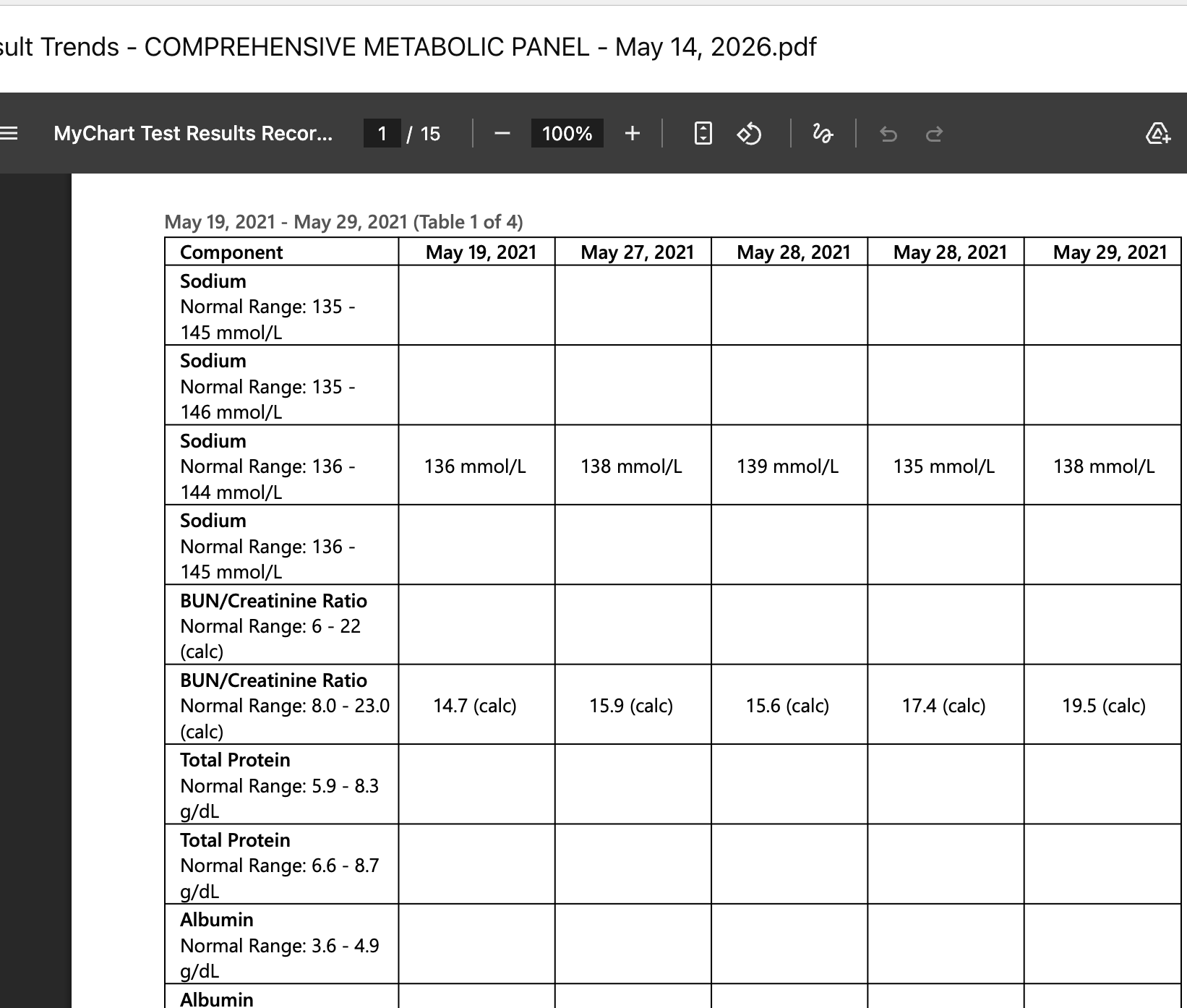
Medical Records. Xrays and Blood Work. This is amazing. You probably have had your blood work results come back from the lab. What are all of those measures, and what do they mean? Sure, glucose levels are easy enough, but how about Sodium, potassium, chloride, CO?, and anion gap? Upload your bloodwork to an AI chatbot and ask it what the results say about your health. It’s like your doctor sat down and spent a half hour with you explaining the terms and what they mean for you. You can even ask it to develop a podcast to discuss the results.
Shopping and major purchases. One of my favorite uses for AI is comparison shopping. Recently I asked which SUVs offered plenty of cargo space while still fitting into a tight garage. I had already spent hours researching dimensions online. AI gave me a detailed comparison in seconds and even suggested models I hadn’t considered
How to tips. I needed to ship an antique chair to Oklahoma, so I asked it to give me alternatives. It came back with Budget, Value, Best options, with plusses and minuses for each. It also included how to phrase my bid instructions to get the best price and results. Need to know how to fix something – ask ChatGBT!
Proofreading and editing. By now most people have used AI to proofread and edit their correspondence, from emails to newsletter articles. You can ask it to rewrite it (which will almost always be better than your version). Or request suggestions on how to shorten, make more convincing, or interesting. For example, we wrote this article and sent it to AI for editing suggestions. We used their headline, changed a few sentences , and added a better introduction. Their suggestions made it much better than my original.

The sky is the limit. Your use of AI is limited only by your own imagination. While on a hike in Connecticut recently I came across some large animal scat on the trail. Was it from a fox, someone’s dog, raccoon, or bear? I uploaded a photo into AI, and it came back with several possibilities, with a rationale for each. Its best guess: a Fisher (a type of weasel) based on the fur in the sample (apologies for the graphic image!) Fun stuff.
Sell (or buy) your house. A NY Times reporter just wrote a great story on how he sold their house without using a realtor, I Tried to Sell My House by Chatbot. The tips and advice he got made it easy, and saved a ton of money on agent commissions. An agent on the other side of the deal asked the writer if he was in the business, his questions and tactics were so good. That might be pretty adventurous for a lot of people, but you could use AI to get ideas on how to do it.
Travel Planning. AI can be a terrific travel assistant. Ask it to suggest a two-week itinerary for New Zealand, compare river cruises, recommend scenic drives, or estimate travel costs. The more details you provide, the better the recommendations become.
Ways you don’t want to use AI in retirement
Email and text replies. You have probably already seen them come up on your screen – you get an email, and AI is eager to write a suggested reply for you. For personal emails, texts, and correspondence, it is probably a bad idea. Your personal voice might get lost, or the tone might be completely wrong (too harsh, too stiff, etc.). But you could use it to suggest something in your voice, and then adjust. Or, feed in your reply for suggestions.
Using it as your original work. In my personal experience in creative writing, I know that AI can write better than I can. But if I use it I am just a transcriber, not a creator. Better yet to use it as your editor – fabulous free advice you can use or ignore to improve your work.
Medical help. AI can be really helpful when you describe your symptoms or condition and ask for help. It can provide a valuable second opinion. In the near future, it might interpret most Xrays. But AI is not perfect and can make mistakes. When something serious comes up, rely on your medical professionals.
Doing your Grandkids’ homework. Nobody learns anything if they don’t have to put sweat in. But it might be great as a help when they are stuck.
Getting in too deep a relationship with your bot. It happens, and this is one of the things that people are most worried about. AI can be so seductive, so personal, and so helpful that people can ignore their human relationships. Use it, but don’t fall in love!
AI won’t replace common sense, your doctor, your financial advisor, or your relationships. But it can become one of the most useful tools in your retirement toolbox.
Have you tried AI yet? What has been your most useful—or most surprising—experience? We’d love to hear about it in the comments section.






Comments on "10 Surprisingly Useful Ways to Use (and not use!) AI in Retirement"